
Repairs
Car Repair Estimate Too High? What to Check Before You Approve It
Does it actually need the work? Is the price reasonable? Is the car worth fixing? Answer each question before you approve the bill.

Author
Richard Myers
Founder / Senior Vehicle Technician
Richard builds WorthTheFix from real vehicle inspection, repair, and ownership experience.
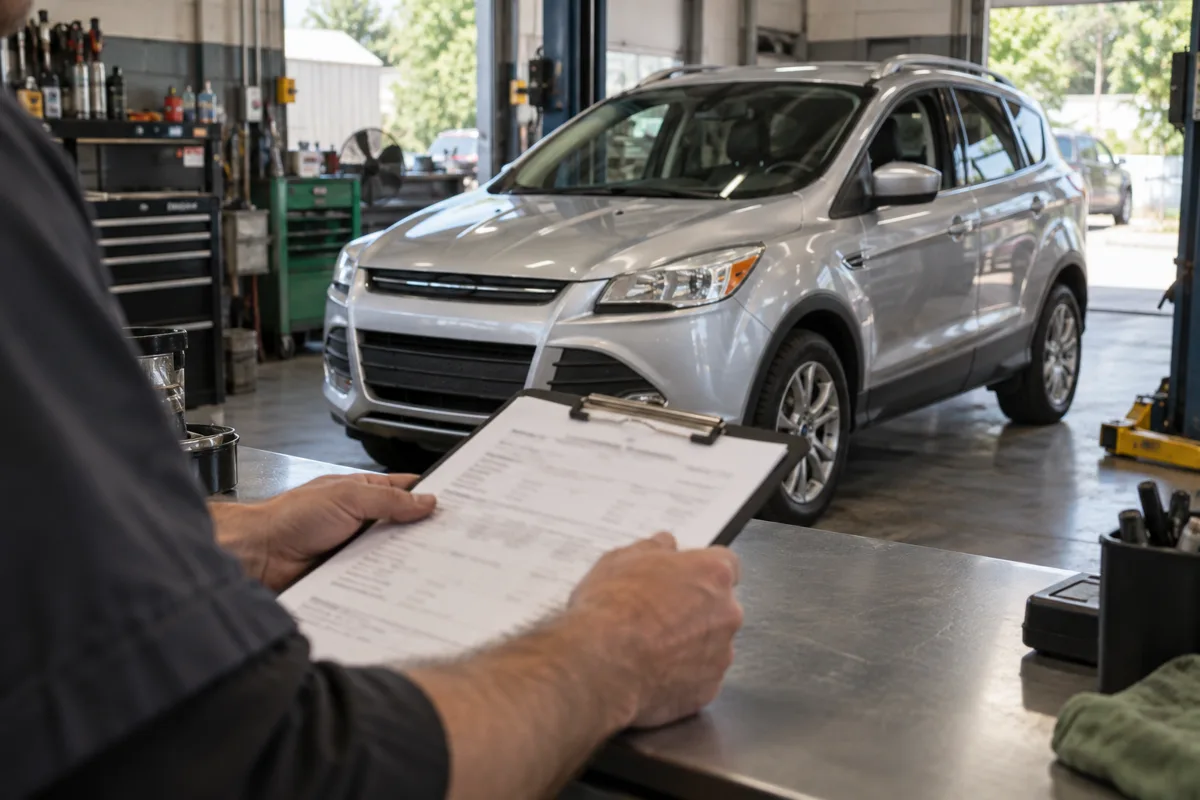
The shop calls. Your car needs $3,800 worth of work. You need it for work tomorrow. You weren’t planning to spend that money.
Three questions. One expensive decision.
And now you're trying to answer three questions with one number:
Does it actually need all of this? Is the price reasonable? Is the car even worth fixing?
Those are separate questions. Each deserves an answer before you approve the bill.
If your car repair estimate seems too high, ask for an itemized quote, the findings behind the diagnosis, and a clear explanation of what needs attention now. Compare another shop's estimate for the same work when necessary. Then decide whether that confirmed repair makes sense for the vehicle.
A big number deserves a closer look. It doesn't automatically mean somebody is ripping you off.
1. Ask what proved the repair is necessary
Before I worry about whether a repair costs too much, I want to know why we're doing it.
Start here:
“What did you find that confirms this part needs to be replaced? Can you show me the inspection findings or explain the test results?”
You don't need to understand every measurement. You need an explanation connecting the problem you brought the car in for to the work being recommended.
Ask whether the diagnosis is complete. Is this a confirmed failure, or is the shop recommending more testing or disassembly before it can know the extent of the problem?
Both can be legitimate. But approving further diagnosis and approving a finished repair are different decisions. Get clear on which one you're making and what the next authorization will cover.
If the recommendation is a major assembly, ask why replacing it is the proposed solution and whether repairing the existing unit is a reasonable option for your situation.
For an engine quote, see Is Engine Replacement Worth It?
For a transmission quote, see Is Transmission Replacement Worth It?
2. Find out what the total actually includes
“Your car needs $3,800” may describe several different things: the repair you came in for, another problem found during inspection, and maintenance recommendations.
Ask the shop to explain each item using these questions:
| Question | What you need to understand |
|---|---|
| What addresses my original complaint? | The scope of the repair being proposed for that problem. |
| What makes the vehicle unsafe to drive? | The specific finding and whether the vehicle needs to be towed. |
| What could cause additional damage if delayed? | The consequence of waiting and how urgent the shop considers it. |
| What maintenance is due? | The service interval or condition supporting the recommendation. |
| What can be planned for later? | A specific follow-up point and the risk of postponing it. |
Don't assume an item is optional because it didn't cause the symptom you noticed. Have the shop establish the priority based on the actual vehicle.
If the car is unsafe to drive, arrange safe transportation while you compare options.
The useful question is: “What needs to happen now, and what is the plan for the rest?”
3. Compare the same repair before comparing the price
The Federal Trade Commission recommends a written estimate identifying the problem, parts, and anticipated labor. It also recommends agreeing on when the shop must seek approval for additional work.
Once you have that breakdown, ask both shops to spell out what is included and excluded. Compare the part being supplied, the complete installed price, and the written warranty—including whether labor is covered.
Here's an illustrative example. These numbers are invented to show how to compare quotes; they are not market repair prices.
| Estimate detail | Shop A | Shop B |
|---|---|---|
| Price initially quoted | $2,400 | $2,050 |
| Required fluids and seals | Included | $180 additional |
| Required programming | Included | $220 additional |
| Total before tax | $2,400 | $2,450 |
| Warranty | Written terms supplied | Terms still need clarification |
Check 1: Match the repair scope and parts before comparing prices.
Check 2: Include required fluids, seals, programming, and other exclusions.
Check 3: Compare written warranty terms, including labor coverage.
The first number makes Shop B look $350 cheaper. Once the stated exclusions are added, it's $50 more.
Neither shop has necessarily done anything wrong. You just hadn't reached comparable totals yet. You still need to compare the parts and warranty before choosing.
Ask directly:
“What is the complete price to finish this repair, what could change that price, and what is excluded?”
4. Get a second opinion on the diagnosis when needed
A second price and a second diagnosis answer different questions.
Calling another shop and asking what it charges to replace a transmission gives you a price comparison. Having that shop inspect the vehicle and evaluate whether it needs a transmission gives you another opinion on the repair itself.
The FTC suggests considering a second opinion for expensive or complicated repairs, or when recommended work raises questions. Ask about diagnostic charges before scheduling.
Tell the second shop what the vehicle does, when the problem occurs, and what work has already been performed. Share the first shop's findings and explain what you want independently evaluated.
You can say:
“I've been quoted this repair. Before I approve it, I'd like you to evaluate whether it is necessary and explain what you find. What will that evaluation cost?”
Before moving the car, confirm any existing diagnostic, teardown, reassembly, or storage charges and whether towing is needed. Include those costs when deciding whether another inspection is worthwhile.
A second opinion is useful even when it agrees with the first. Sometimes the answer is that the repair really is necessary—and now you understand why.
5. Ask about options without asking for a shortcut
If the scope is justified but the total is beyond your budget, tell the shop.
“I can spend this much right now. Are there appropriate repair options or a safe way to stage the work? What would I be giving up with each option?”
Ask whether a different part option changes the price or warranty. If several jobs are being proposed together, ask whether any labor overlaps and how doing them separately would affect the total.
Let the answers determine whether there is a sensible lower-cost path. A smaller bill helps only if the resulting work solves the problem adequately.
“Cheapest possible” is a poor instruction when you depend on the car every morning. Give the shop a budget and ask it to explain the tradeoffs.
6. Decide whether the confirmed repair is worth doing
You can have a reasonable estimate for a necessary repair and still decide to move on from the car.
You can also decide to repair an older vehicle because replacing it would require substantially more money.
Once the diagnosis and scope are clear, put these numbers together:
- What you could realistically sell the car for with the problem disclosed.
- What it would reasonably be worth after the repair.
- The complete repair estimate.
- Other known costs coming soon.
- The cost of replacement transportation you would actually consider.
Use the free WorthTheFix Repair or Replace Calculator to organize that comparison. It helps evaluate the numbers you enter; it cannot confirm a diagnosis or inspect the car's condition.
Be honest about what comes after this repair. Ask the inspecting shop what other findings could affect your decision to keep the vehicle.
If the larger question is whether to keep putting money into it, work through Is My Car Worth Fixing?.
Free repair or replace checkGot your estimate? Run your numbers.Calculate here, then keep reading. Your entries stay when you collapse this panel.
Your entries last while this page stays open. Open the full calculator in a new tab to start a separate comparison.
What to say when the shop calls
You don't need to sound like a mechanic. You need clear answers.
Save that message. It gives you a starting point when you're stressed, busy, and trying to make an expensive decision over the phone.
Frequently asked questions
How do I know if my mechanic is overcharging me?
A high total alone cannot establish that. Get a detailed estimate, understand the findings supporting the work, and compare another quote with the same scope. Investigate differences in parts, included services, and warranty before treating the totals as equivalent.
Can I negotiate a car repair estimate?
You can ask about pricing and appropriate alternatives. Start with the scope: what is necessary, what is included, and what can safely be planned for later? Ask the shop to explain any change in repair quality or coverage that comes with a lower price.
Should I get a second opinion before an expensive repair?
Consider one when the explanation leaves significant questions unanswered or the decision would determine whether you keep the car. Specify whether you want a price comparison or an independent evaluation of the diagnosis, and account for the cost of obtaining it.
What if I can't afford the full repair estimate?
Ask the shop to identify what is urgent and whether an appropriate staged plan exists. If there is no safe, affordable repair path, compare temporary transportation and realistic replacement options before committing. An unaffordable estimate needs a plan, not a rushed yes.
Before you spend the money
Your goal is to understand what failed, what the repair will accomplish, and whether that outcome is worth paying for.
Get those answers first. Then run the repair-versus-replacement numbers.
You don't have to become a technician to make a better decision. You do need more than a total at the bottom of an estimate.
Sources
- Written estimates, second opinions, diagnostic charges, and repair warranties.Auto Repair Basics opens in a new tabFederal Trade Commission / Accessed 2026-09-13